
Key Takeaways
- UI patterns provide intuitive, familiar structures that enhance user satisfaction and reduce friction.
- Modern trends such as adaptive interfaces, AI-powered design tools, and 3D elements are shaping the future of UI design.
- Ethical considerations, especially the avoidance of manipulative “dark patterns,” are vital to building long-term user trust.
In the ever-evolving landscape of digital product design, understanding and mastering effective UI patterns remains central to delivering seamless, intuitive experiences. These patterns shape how users interact with digital interfaces, setting expectations, guiding behavior, and streamlining tasks. As user expectations rise, designers are tasked not only with refining classic patterns but also with blending innovative features that reflect the complexities of today’s applications. For designers focused on transparency and clarity, examining an about us page design offers excellent insights into how foundational UI elements establish brand trust and usability.
The world of UI design does not stand still. From legacy approaches that have anchored countless successful products to cutting-edge adaptations powered by artificial intelligence, the vast spectrum of UI patterns continues to expand. Meanwhile, as digital experiences increasingly intersect with daily life, designers must consider ethical best practices to foster user trust and inclusion.
Introduction
As applications and websites become more complex, user interface (UI) design plays an increasingly pivotal role in dictating how users navigate, accomplish goals, and perceive brands. UI patterns serve as roadmaps for addressing common interaction challenges, reducing user cognitive load, and establishing consistent, high-quality experiences. Without these repeating frameworks, learning new digital products would be a daunting task for consumers and businesses alike.
From streamlined navigation menus and responsive card layouts to efficient forms, classic UI patterns have established themselves because they work. Recognizing when and how to deploy these patterns, and when to innovate, is an essential skill for modern designers.
Essential UI Patterns in Digital Design
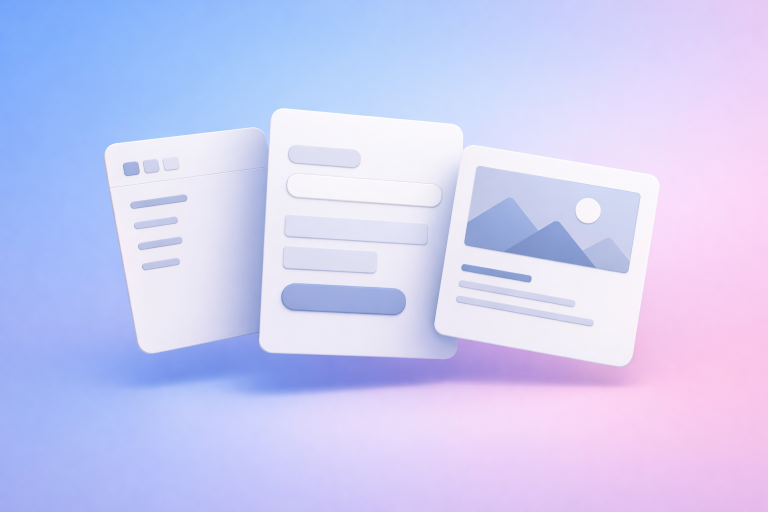
The backbone of effective interface design lies in leveraging proven UI patterns that consistently deliver value to users:
- Navigation Menus: Whether in the form of top bars, side drawers, or hamburger menus, navigation schemes help users confidently navigate products. These intuitive structures minimize friction by organizing information accessibly and minimizing the risk of users getting lost.
- Form Design: Forms are ubiquitous for collecting user input, from account creation to searches and payments. Well-designed forms feature clear labels, logical sequencing, immediate error feedback, and concise input fields. Reducing friction at this critical point of interaction can significantly improve conversion rates and overall user satisfaction.
- Card Layouts: In modern interface design, card layouts are prevalent across ecommerce, social media, and dashboards. Cards enable efficient grouping of related content, facilitate responsive adaptation, and support visual hierarchy and scanning. Their modular structure allows designers to maintain consistency across platforms and screen sizes.
For more insights on UI pattern best practices and how top brands implement them, you can reference expert resources like Nielsen Norman Group’s guide to UI patterns.
Emerging Trends in UI Design
The digital design industry is in continuous flux with advanced technologies and shifting user expectations fueling the adoption of new UI approaches:
- Adaptive Interfaces: Personalized experiences are now a baseline expectation, with platforms incorporating behavior-driven context to dynamically modify interfaces. Whether adjusting layouts according to previous user interactions or tailoring content recommendations, adaptive interfaces help users feel understood and foster engagement. Netflix and Spotify are prime examples, employing sophisticated adaptive elements to tailor browsing and discovery experiences.
- AI Integration: Artificial intelligence is transforming the design process itself. New tools such as Google’s “vibe design” assistant, Stitch, empower designers to craft high-fidelity prototypes with simple natural-language instructions. This streamlines workflows, reduces barriers for non-designers, and opens up unprecedented creative possibilities. For more on how these tools are redefining design, check out Google’s ‘vibe design’ tool.
- 3D Design Elements: Flat design was once the hallmark of modern apps. Now, leading companies are returning to rich 3D visuals to create more immersive, engaging interfaces. Apple and Airbnb’s recent adoption of 3D icons in their apps signifies a broader shift in digital aesthetics, capturing attention and providing greater depth and differentiation. See Bloomberg’s coverage for in-depth analysis: Apple and Airbnb’s shift to 3D UI design.
Ethical Considerations in UI Design
With great design power comes significant ethical responsibility. Dark patterns, UI choices crafted to manipulate users or obscure true intentions, pose a serious challenge for ethical designers and product stakeholders. These can range from misleading button placement to coercive subscription flows. The Federal Trade Commission recently found that nearly 76 percent of subscription apps and sites used such manipulative practices, underlining how widespread and problematic dark patterns have become. Respecting user autonomy, ensuring transparency, and prioritizing accessibility are responsibilities every designer must own. Detailed findings on this topic can be reviewed in the FTC study on dark patterns.
Conclusion
Timeless UI patterns form the bedrock of successful digital experiences, while emerging trends ensure products remain innovative and relevant. By grounding design work in proven patterns, embracing adaptive technologies and 3D visuals, and upholding the highest ethical standards, today’s designers can create interfaces that are not only beautiful and intuitive but also worthy of user trust. Staying current with advances and being committed to ethical excellence are essential in shaping the future of digital product design.