
A home value estimate is most useful when it is treated as a range supported by evidence, not as one unquestionable number. Reviewing a Zestimate vs appraisal comparison can help clarify why an online estimate and a professional opinion may differ, even when both rely on relevant property data.
Whether you plan to sell, buy, refinance, divide an estate, or simply track equity, a stronger estimate combines property records, nearby closed sales, current local competition, and the home’s actual condition. The goal is a realistic price range that reflects what buyers are likely to see and value.
Why Home Value Estimates Differ
Two valuation tools can produce noticeably different results because they may draw from different data sources, refresh records on different schedules, and weigh nearby sales differently. One estimate may include a recent sale while another may not yet reflect it. Local coverage can also vary, particularly where sales are infrequent, or homes differ substantially from one another.
A quick online estimate, an expected sale price, and a formal appraisal serve different purposes. An online figure is a fast reference point. A likely sale price takes into account current competition and buyer behavior. An appraisal is a documented opinion of value prepared for a specific purpose, often involving lending, legal, tax, or estate decisions.
What Online Valuation Tools Can and Cannot See
An automated valuation model, often called an AVM, uses available data such as public records, property size, recorded features, neighborhood information, and nearby transactions to generate an estimate. These tools can be convenient for establishing an initial range, especially when several estimates point in a similar direction.
However, a model may not know whether the kitchen was updated last year, whether the roof needs replacement, or whether a floor plan feels unusually functional. It can also miss unreported additions, a premium view, traffic noise, interior wear, curb appeal, or a challenging lot. Use the number as a starting point, then test it against details that a database may not capture.
Check the Facts About the Property
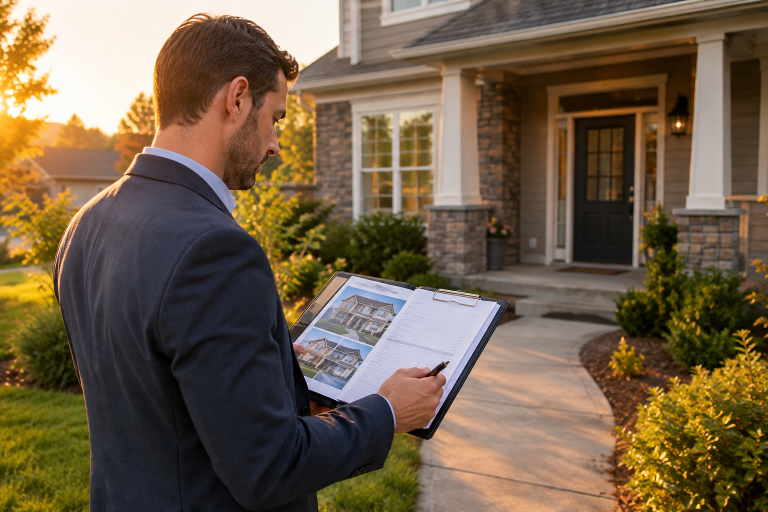
Before relying on any estimate, review the facts behind it. Errors in recorded square footage, bedroom count, bathroom count, lot size, or property type can distort a comparison. Tax records are helpful, but they may be incomplete or outdated after remodeling projects.
- Confirm the finished living area and distinguish it from garages, basements, or unfinished storage.
- Check the recorded year built, lot size, and number of bedrooms and bathrooms.
- Look for missing decks, garages, finished rooms, additions, or accessory dwelling units.
- Keep permits, invoices, photos, and plans that document major work.
Use Recent Comparable Sales
Closed sales generally provide a better indication of completed market activity than active listings, which only show what sellers hope to receive. Select homes that are reasonably similar in location, size, age, style, lot characteristics, and condition. When practical, start with sales from the past three to six months and use a tighter window if values are moving quickly.
Review at least three comparable sales rather than anchoring on one attractive result. Compare sale price, price per square foot, time on market, and important differences. Guidance on setting a realistic home price similarly emphasizes matching a property with nearby homes that buyers would view as alternatives.
Why condition changes the comparison
Imagine two similar homes on the same street. One has an updated kitchen, newer mechanical systems, and fresh paint. The other needs roof work and extensive interior repairs. Their square footage may match, but buyers are not likely to value them equally. A useful comparison identifies those differences rather than assuming that every similar floor plan deserves the same price.
Add Local Market Conditions
National headlines cannot replace neighborhood research. Look at how many comparable homes are currently for sale, how long they are taking to sell, and whether sellers are cutting prices. Compare original asking prices with final sale prices when available. Canceled, withdrawn, and repeatedly relisted homes can also reveal that a price or presentation did not connect with buyers.
Mortgage rates, monthly affordability, seasonal activity, buyer incentives, property taxes, insurance costs, association fees, and location-specific risks can all shape demand. A 2026 guide to estimating what a home may sell for highlights the importance of weighing the property itself, its location, and current market conditions together.
Account for Condition and Upgrades
Create a clear list of improvements, including dates and approximate costs. Separate cosmetic changes, such as paint or fixtures, from larger investments in the roof, HVAC, windows, plumbing, electrical systems, insulation, or foundation work. Also identify deferred maintenance that a buyer may expect to address soon.
Updated kitchens, bathrooms, outdoor living areas, energy-related features, and flexible work or guest spaces may improve buyer interest. Still, the cost of an improvement does not automatically equal the amount added to market value. Buyers compare the finished home with alternatives, not simply with the owner’s receipts.
Know When to Seek Professional Input
A local real estate agent may prepare a comparative market analysis and explain recent buyer response. A licensed appraiser can provide a formal value opinion when documentation matters. A tax professional or attorney may help determine the appropriate valuation date and method for an estate, divorce, tax matter, or legal dispute. A contractor can help estimate repair costs before those issues are reflected in an expected price range.
Avoid Common Pricing Mistakes
- Using the old purchase price as the primary measure of current value.
- Comparing the home with larger, newer, better-located, or better-maintained properties.
- Relying only on active listings rather than completed sales.
- Adding every renovation dollar directly to the expected sale price.
- Ignoring ownership costs or pricing based mainly on emotional attachment.
- Assuming an online calculator can replace local research and professional judgment.
A Simple Step-by-Step Valuation Checklist
- Verify the home’s basic facts using reliable records.
- List upgrades, repairs, deferred maintenance, and distinctive features.
- Gather three to five recent nearby closed sales.
- Adjust for meaningful differences in condition, size, lot, location, and amenities.
- Review current competition, price reductions, and selling pace.
- Compare online estimates as reference points, not final answers.
- Estimate selling costs and expected net proceeds.
- Seek professional input when the decision carries significant financial or legal consequences.
Final Takeaway
A reliable home value estimate comes from several forms of evidence working together. Online tools provide a useful first look, but recent comparable sales, accurate property facts, local market activity, condition, and professional insight make the result more dependable. Rather than searching for a perfect number, build a thoughtful range that can support a confident decision.