
Key Takeaways
- Enhancing curb appeal creates a strong first impression for potential buyers.
- Decluttering and depersonalizing let buyers imagine themselves living in the home.
- Strategic repairs and upgrades improve value and marketability.
- Professional staging and photography showcase your property’s strengths.
- Setting a competitive price is vital for attracting qualified offers.
As the real estate market grows increasingly competitive, it is essential for homeowners to make their properties stand out from the rest. A carefully prepared home can attract more buyers, drive more interest, and ultimately command a higher sale price. Understanding how to present your property at its absolute best is key to realizing these benefits. Guidance from Magnolia real estate experts The Greely Group can help streamline the process and ensure that your preparation efforts pay off when your home hits the market.
Buyers are discerning and often compare multiple homes before making a decision. Sellers must be strategic, prioritizing preparation tasks that yield maximum impact. From enhancing curb appeal to fine-tuning the price, every detail matters if your goal is to sell swiftly and profitably. Knowing how to reset your home’s look, functionality, and appeal is vital, especially in today’s real estate landscape. With thoughtful attention to staging, repairs, and marketing, you can attract serious buyers and inspire competitive offers.
Boosting Curb Appeal
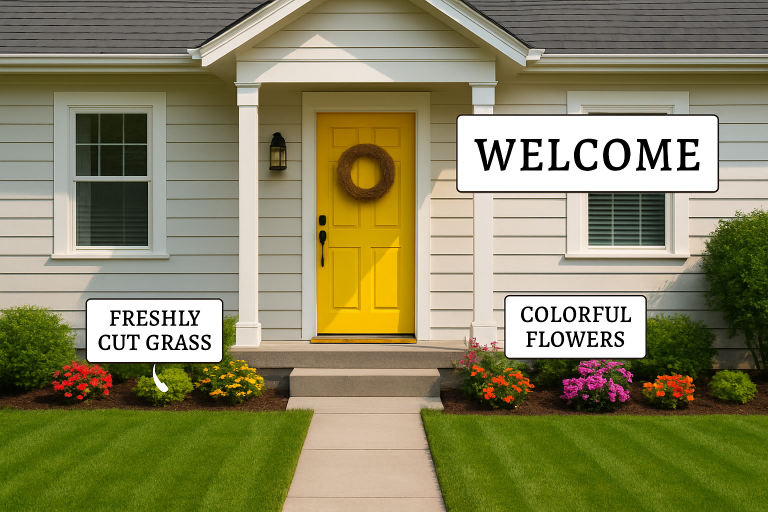
The exterior of your home often gives buyers their first impression. Maintaining a neat front yard, trimming shrubs, planting flowers, and applying fresh mulch can instantly create a welcoming environment. Repainting the front door and keeping the driveway clean and clear are cost-effective steps that improve your home’s appearance. Curb appeal not only draws in more prospective buyers but can also positively influence their perception of the entire property.
Do not overlook simple touches such as new house numbers, a welcoming doormat, or cleaned exterior lights. These often-overlooked improvements support a polished and inviting presentation, especially important during open houses or private showings.
Decluttering and Depersonalizing
When buyers step inside, they should be able to imagine their own lives unfolding within the space. Remove personal photos, knick-knacks, and memorabilia to help buyers view your home as a blank canvas. Consider renting a storage unit if necessary to keep closets and storage areas tidy. Less furniture creates a more open, spacious feel, appealing to buyers of all types.
Decluttering also applies to countertops in kitchens and bathrooms. Stow away appliances, toiletries, and excess decor. Clean, minimalist surfaces highlight the space’s potential and feel more calming and attractive to buyers. Rooms that feel organized and clutter-free leave a lasting impression, helping homes sell faster and at better prices.
Making Necessary Repairs and Upgrades
Buyers are quick to notice deferred maintenance or outdated features. Tackle small repairs, such as leaky faucets, squeaky doors, and chipped paint. Consider fresh coats of neutral-colored paint throughout the main living spaces. Minor updates in kitchens and bathrooms, such as new cabinet hardware or updated lighting, can yield significant returns. Attention to these details assures buyers that the home has been well cared for, reducing concerns about future repairs.
If your home has older appliances or fixtures, consider upgrading selectively. Focus on improvements with the highest ROI, such as updating an aging kitchen faucet or replacing worn carpets. These updates are often highlighted in real estate listings and marketing materials, boosting buyer interest and perceived value.
Staging Your Home
Staging involves carefully arranging furniture, art, and accessories to make the home feel fresh and welcoming. This process highlights each room’s best features, showcases the space and flow, and helps buyers emotionally connect with the house. Professional stagers know how to optimize lighting and traffic flow and use neutral decor to foster broad appeal. Even if professional staging is not an option, simple touches like fresh flowers, new throw pillows, and clean linens can convey warmth and charm.
High-quality photography of a staged home can make a major difference online, where most home searches begin. Inviting images entice more buyers to schedule visits, thereby greatly increasing the home’s exposure and the likelihood of a quick sale.
Setting the Right Price
Determining the optimal listing price is a strategic decision. Reviewing comparable sales data in your neighborhood helps ensure you are in line with the local market. Overpriced homes risk sitting unsold and becoming “stale” listings. Underpriced homes can lead to financial losses. Consulting with local market professionals and reviewing pricing trends is critical. An effective pricing strategy creates urgency among buyers and can prompt multiple competitive offers.
Regularly monitor market activity for similar listings, and be willing to re-evaluate your price if you are not attracting buyers. Transparent, realistic pricing helps buyers feel confident in their offer and speeds up negotiations.
Effective Marketing Strategies
Promoting your home broadly and effectively is crucial in a crowded marketplace. Invest in professional photos, virtual tours, and engaging property descriptions that highlight unique features. List your home on popular real estate platforms and leverage social media to maximize reach. Open houses, agent tours, and direct mail can also help target local buyers. Multichannel marketing is now standard for successful home sellers.
Collaborating with a skilled real estate agent ensures your home benefits from maximum visibility, professional networking, and negotiating expertise, further increasing the odds of a fast, favorable outcome.
Preparing for Showings
Successful showings depend on your home’s condition and accessibility. Prior to each showing, thoroughly clean, open the curtains to maximize natural light, and set the temperature to a comfortable level. Remove pets and minimize personal items to create an inviting yet neutral environment. Flexibility in showing times creates more opportunities for buyers to tour, especially for those with busy schedules.
Keep an eye on feedback from agents and buyers after showings; minor adjustments based on their input can make a big difference in your home’s appeal.
Conclusion
Competing in today’s robust real estate market requires careful attention, efficient preparation, and a strategic plan. By focusing on curb appeal, decluttering, essential repairs, effective staging, smart pricing, dynamic marketing, and prepared showings, you maximize the chances of a swift, profitable home sale. These efforts not only attract serious buyers but also empower you to reach your home-selling goals.