
Key Takeaways
- Installing solar energy is a long-term investment that reduces carbon emissions, lowers utility costs, and can increase property value.
- A structured approach that includes energy audits, roof evaluation, equipment selection, and permitting ensures a smooth installation process.
- Taking advantage of tax credits, rebates, and financing options significantly improves overall return on investment.
- Monitoring systems and routine maintenance help maximize performance and extend the lifespan of systems.
- With thoughtful planning and expert guidance, solar power provides a dependable and sustainable energy solution for homes and businesses.
Choosing to invest in a solar energy system is a significant and positive move toward reducing your carbon footprint while securing long-term energy savings. Installing solar not only enhances energy efficiency but also increases your property value and resilience to rising utility rates. In this guide, you will find a thorough overview of every step required to install a solar system, from initial planning through long-term maintenance, equipping you with the knowledge for a seamless transition to clean energy. If you want professional guidance from an experienced team, visit Green Tech Construction for more information on tailored solar solutions for homeowners and businesses.
Solar installation might seem complex, but breaking it down into manageable stages simplifies each decision and ensures the maximum return on your investment. Whether replacing an aging roof, curious about equipment, or considering financial incentives, understanding each part of the process strengthens your confidence as a solar adopter.
Conduct a Home Energy Audit
Assessing your current household energy use is an essential first step. A home energy audit helps you pinpoint where energy is lost and where efficiency upgrades can be implemented, often impacting the size and cost of the solar project. Simple improvements, such as better insulation, sealing ductwork, and upgrading outdated appliances, can reduce your system’s required capacity and upfront expense. According to the U.S. Department of Energy, professional audits lead to significant, lasting energy and cost savings, laying a smarter foundation for solar energy adoption.
Assess Your Roof’s Suitability
The performance of your solar system depends heavily on your roof’s orientation, condition, and available sunlight. To ensure optimal results, inspect that the roof is structurally sound and has minimal shading from trees, chimneys, or nearby buildings. South-facing roofs provide the best exposure in North America, but east- and west-facing roofs may also suffice with a properly sized layout. Roof age is also an important consideration. If your roof is nearing the end of its lifespan, replacing it before installation can save time and avoid additional costs later.
Understand Permitting and Regulations
Local permitting and regulatory compliance can feel daunting, but it is essential to prevent delays and ensure your system operates safely. Different regions enforce different building codes and requirements, and your city or county may require official permits and specific documentation. Secure approvals for site plans, roof assessments, and electrical schematics. Many reputable solar installers will handle the paperwork and communications with local permitting offices as part of their service, streamlining this step for you.
Choose the Right Equipment
Solar technology has evolved rapidly, giving homeowners a range of equipment options to match efficiency needs and budget constraints. Here’s what you’ll need:
- Solar Panels: Choose monocrystalline (more efficient, higher cost) or polycrystalline (lower cost, slightly less efficient), depending on your energy goals and roof space.
- Inverters: These devices convert solar DC output into the AC electricity your home uses. Options include string inverters (cost-effective for unshaded systems), microinverters (optimized per panel), and power optimizers (panel-level control and shade tolerance).
- Mounting Systems: Sturdy racks or stands that secure panels to the roof or to ground installations. Proper mounting maximizes solar access and system longevity.
Consult your installer for advice on brands, warranties, and system customization to ensure optimal system architecture for your home.
Installation Process
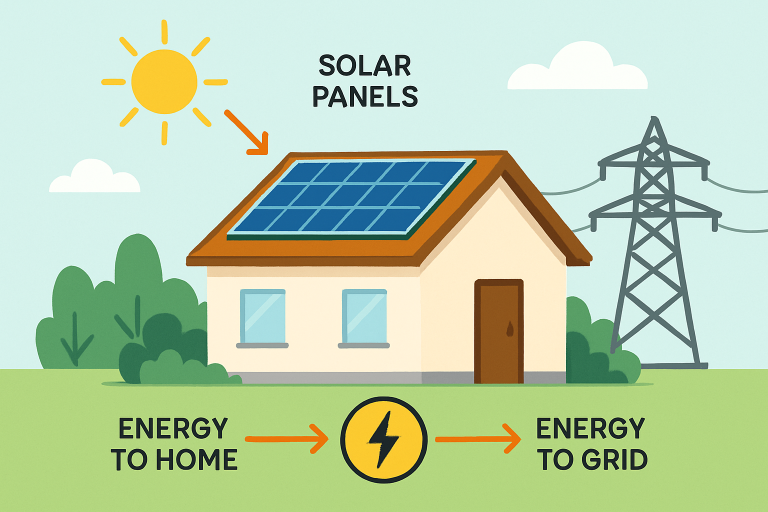
The actual installation begins with anchoring a robust racking system, followed by securing the solar panels. Electricians then wire the panels to inverters and integrate the system with your electrical panel. Each connection and component is double-checked to ensure they meet code requirements and function as designed. Most residential systems are installed within one to three days, minimizing disruption to your daily routine. The quality of work in this stage directly influences both future performance and longevity.
Inspection and Interconnection
Following installation, your local permitting office will conduct a final inspection to ensure everything complies with approved plans and all safety requirements are met. After passing inspection, the system is ready to be interconnected to the electrical grid. Your utility company may require its own review before the system is activated, especially for net metering eligibility. Net metering allows any excess energy you produce to be credited back to your utility bill, maximizing your investment’s return.
Monitoring and Maintenance
New solar systems are typically paired with smart monitoring tools that provide real-time performance data. With these, you can view energy production, spot anomalies, and track the overall health of your system. Routine maintenance includes seasonal cleaning of panels (especially in dusty areas), checking for visible wear or damage, and verifying inverter operation. Solar systems require minimal maintenance, but periodic professional inspections maximize efficiency and lifespan.
Financial Considerations
Solar installations require a substantial upfront investment, but homeowners benefit from a range of incentives, rebates, and favorable financing options. The federal Investment Tax Credit (ITC) currently allows you to deduct a significant portion of installation costs from your federal taxes. Many states and municipalities offer additional rebates, performance payments, or property tax exemptions on top of these. Weigh all financing avenues, including outright purchases, solar loans, and leases to determine what aligns with your budget and financial goals.
Final Thoughts
Transitioning to solar energy is a strategic investment that delivers environmental, financial, and long-term property benefits. By approaching the process step by step, from energy auditing and roof assessment to equipment selection and permitting, you can ensure a smooth and efficient installation experience. Understanding incentives and monitoring options further strengthens the value of your system over time. With proper planning and professional support, solar power becomes a reliable, low-maintenance solution that positions your home or business for a cleaner and more cost-effective energy future.