
Key Takeaways
- Assess your financial health and establish a realistic budget.
- Obtain mortgage pre-approval to strengthen your buying position.
- Engage a knowledgeable real estate agent to guide you through the process.
- Conduct thorough home inspections to avoid future surprises.
- Prepare for closing costs and finalize the purchase with confidence.
Embarking on the journey to homeownership is both exhilarating and complex. For buyers in today’s market, having a structured guide can make all the difference in turning dreams of owning a home into reality. As you take your first steps, consider leveraging local resources, such as https://www.kcpropertyconnection.com/ks/lawrence/, to discover properties that fit your needs. The path to homeownership can be less daunting—and far more rewarding—when you know what to expect.
Building a strong foundation in home buying means knowing not just what you can afford, but also what will set you up for lasting success. From understanding your financial health to preparing for closing costs, every stage in the process deserves careful attention. Avoiding surprises and feeling confident about your decisions comes down to taking measured, informed steps from the very start. With guidance and strategic planning, you can confidently move from dreaming about a home to opening the front door for the first time.
For more insights into real estate opportunities and the home-selling process in Kansas and beyond, explore https://www.kcpropertyconnection.com/, which provides expertise and local market knowledge to help you along the way.
Whether you’re a first-time buyer or a seasoned homeowner, the landscape continues to evolve in response to changing mortgage rates, shifting housing trends, and evolving regulations. Staying informed with current data and expert opinions, such as those found on the Consumer Financial Protection Bureau, will help you stay one step ahead and avoid common pitfalls along your purchase journey.
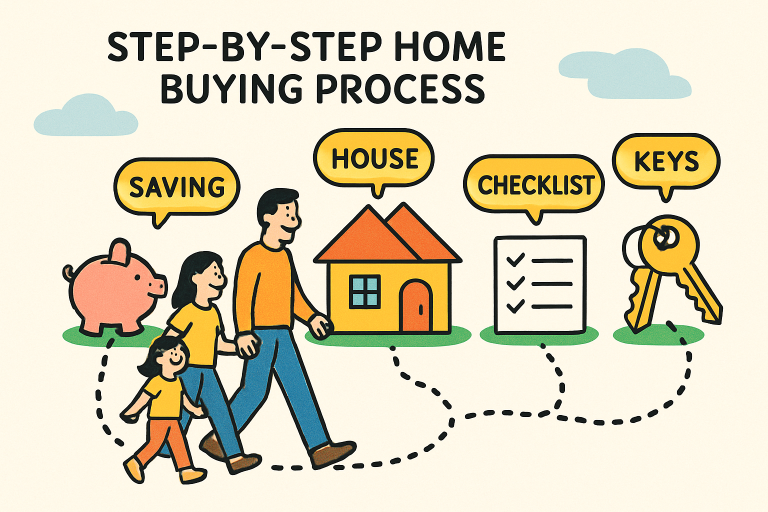
Financial Preparation
The first step in your home-buying roadmap is evaluating your financial position. Review your credit score and understand how it shapes the mortgage rates and options you’ll qualify for. Most lenders prefer a score of 620 or higher, but those with excellent credit may receive more competitive loan offers. It’s also essential to calculate your debt-to-income ratio, comparing your monthly debt payments to your gross monthly income. Most lenders set a benchmark of 43% or less for this ratio, ensuring you have enough buffer to manage your mortgage and other living expenses.
Creating a realistic budget goes well beyond your anticipated mortgage payment. Include estimates for property taxes, homeowners’ insurance, utilities, and routine maintenance. Many buyers overlook hidden costs, so being thorough at this stage prevents headaches later.
Mortgage Pre-Approval
Securing a mortgage pre-approval before shopping gives you a significant edge. Through pre-approval, a lender thoroughly reviews your finances, including your credit, income, and assets, and then provides a letter stating the loan amount for which you’re qualified to borrow. This letter demonstrates to sellers that you’re not only serious but also financially prepared to follow through. In competitive markets, this can be the deciding factor in getting your offer accepted over others.
Engaging a Real Estate Agent
A professional real estate agent is a critical advocate in your home-buying journey. Agents offer insight into current market trends, property values, and neighborhood nuances that online listings often miss. Their experience negotiating offers, managing paperwork, and facilitating inspections helps minimize stress and risk. Select an agent with deep knowledge of the area you’re interested in so you can make decisions with confidence.
Home Search and Selection
Identifying Priorities and Exploring Options
Your agent will help you craft a wish list that reflects your lifestyle and budget. Consider factors such as location, school districts, daily commute times, property size, and amenities. Using online search tools and open houses, narrow your options to a handful of homes for in-person viewings. Don’t hesitate to ask detailed questions about each property’s history, neighborhood safety, and nearby amenities.
Evaluating Listings
Carefully evaluate each home’s condition and potential for appreciation. Consider factors such as future resale value, renovation needs, and how the property fits with your long-term goals. Your agent can provide comparable sales (comps) to ensure you’re not overpaying based on recent transactions in the neighborhood.
Making an Offer
Once you’ve identified the right property, your agent will help you draft a strong offer. This includes an initial price, contingencies like inspection and financing, an earnest money deposit, and a proposed closing date. Be prepared for negotiation; sellers may counteroffer or request changes to the terms. Lean on your agent’s expertise to secure the most favorable conditions possible.
Home Inspection and Appraisal
Scheduling a home inspection is a must to ensure your investment is sound. An inspector will examine the home’s structure, systems, and overall condition, flagging any issues that could require expensive repairs. You can then renegotiate, request repairs, or withdraw your offer if significant problems arise. Simultaneously, your lender will arrange for a home appraisal to verify the property’s market value and confirm it aligns with your loan amount. If the appraisal comes in lower than expected, you may need to adjust your offer or funding strategy.
Finalizing the Mortgage
After clearing inspection and appraisal hurdles, promptly supply your lender with any final documents needed for underwriting. Review your loan estimate to ensure you fully understand the interest rate, payment schedule, and all associated fees. Address any questions before committing. Upon approval, you’ll receive a closing disclosure with precise details of your loan, allowing you to proceed confidently to closing.
Closing the Deal
Closing is the last stretch before homeownership. During this phase, review and sign legal documents, handle payments for down payment and closing costs (which may include fees for loan origination, title insurance, and escrow), and finalize property transfer. Most transactions finalize within a few weeks after your offer is accepted, culminating in the much-anticipated handover of the keys.
By following this roadmap with diligence and a proactive mindset, you’ll be well-equipped to navigate the complexities of purchasing a home. Each step—paired with support from trusted professionals and reliable resources—helps ensure your journey to homeownership is as seamless and rewarding as possible.