
Maintaining a comfortable home environment relies heavily on the efficiency and reliability of your HVAC system. In areas with extreme seasonal changes, such as Utah, regular attention to your heating and cooling systems is especially critical. Prioritizing HVAC repair & maintenance in Salt Lake City ensures that your system runs optimally year-round, reducing unexpected breakdowns and steep repair bills.
Regular maintenance not only safeguards your comfort but also extends the system’s lifespan, reduces overall energy consumption, and improves indoor air quality. Through scheduled inspections and timely repairs, homeowners can prevent costly malfunctions and foster a healthier living environment. This essential guide breaks down the crucial steps for keeping your HVAC system in premium condition, covering the benefits, tasks, seasonal recommendations, warning signs, and when to enlist professional help.
Efficient HVAC management goes beyond quick fixes. It’s about establishing a maintenance routine tailored to your environment, home layout, and family’s unique needs. Embracing preventative care is an investment in peace of mind that pays dividends in utility savings, fewer disruptions, and prolonged appliance life.
Beyond comfort and cost savings, maintaining your HVAC system supports sustainable living by reducing energy waste and keeping your air cleaner. Whether you handle some tasks yourself or rely on experienced technicians, proactive maintenance makes a dramatic difference.
Benefits of Regular HVAC Maintenance
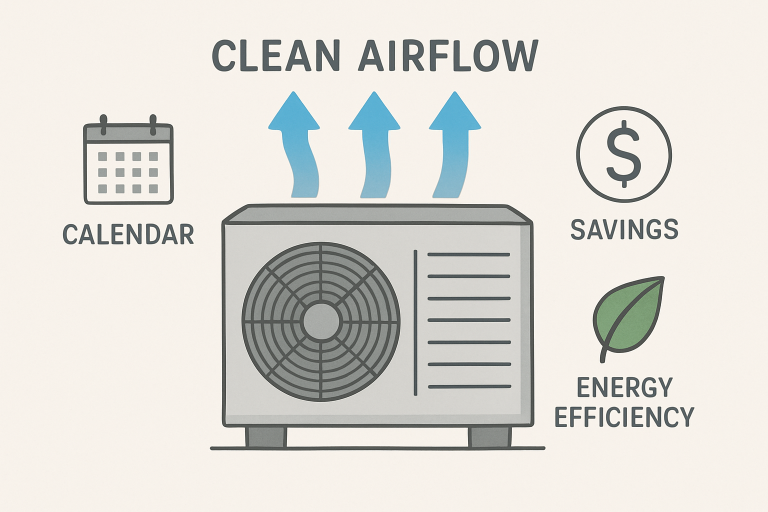
- Enhanced Energy Efficiency: A well-maintained HVAC system is designed to operate at peak performance, which means using less energy to maintain consistent indoor temperatures. Regular filter changes and routine cleaning prevent dirt buildup that can make your system work harder than necessary, inevitably lowering your monthly utility bills. Reliable sources, such as Energy.gov, highlight the significant impact of proactive care on energy usage.
- Extended Equipment Lifespan: Addressing minor issues before they escalate into major failures keeps your entire system–whether it’s a furnace, air conditioner, or heat pump–running longer. Simple habits such as replacing worn parts and keeping components clean minimize wear and tear, often adding years to your HVAC’s life expectancy.
- Improved Indoor Air Quality: Dirty filters and ductwork harbor allergens, dust, and pollutants. Regular maintenance removes these contaminants, leading to cleaner, fresher air inside your home and lowering the risk of respiratory problems and allergies for everyone.
Key Maintenance Tasks
- Change Air Filters Regularly: Every 1-3 months, depending on usage, change or clean the filter. This simple task ensures proper airflow, prevents dust from circulating, and keeps your system efficient.
- Schedule Professional Inspections: Even if you’re diligent with homeowner tasks, biannual inspections by a certified technician are essential. Professionals can catch tough-to-notice problems early and handle tune-ups to maximize performance.
- Clean and Inspect Ductwork: Over time, dust, debris, and even mold can accumulate in your ductwork, affecting air quality and airflow. Conduct periodic checks and cleanings to prevent blockages and leaks.
- Monitor Thermostat Settings: Proper thermostat calibration reduces energy waste and avoids temperature swings. Consider installing a programmable or smart thermostat for more precise, adaptive control.
Seasonal Maintenance Tips
Adapting your HVAC care for each season ensures your system is ready for the demands ahead. In the spring, focus on preparing A/C components, and in the fall, prepare your heating for the incoming cold.
- Spring: Clean condenser coils and check refrigerant levels to optimize cooling. Remove debris that may have accumulated around outdoor units and ensure the drain lines are clear to prevent water damage.
- Fall: Schedule a heating system clean-and-check. Look for soot accumulation in furnaces, inspect heat exchangers, and clean or replace the blower assembly. Testing the system before cold weather arrives allows time for repairs if needed.
Recognizing Signs of HVAC Issues
Even with the best maintenance routine, systems can show signs of distress. Homeowners should watch for symptoms indicating attention is needed, such as:
- Unusual noises, including banging, squealing, or rattling during operation
- Uneven temperatures throughout the home, persistently weak airflow, or a system that cycles on and off frequently
- Sudden, unexplainable jumps in energy bills, signaling a system struggling to maintain set temperatures
Promptly addressing these red flags can prevent breakdowns and major repair expenses.
When to Call a Professional
- Persistent performance issues, even after you’ve changed filters and checked thermostat settings, signal a need for expert troubleshooting. Catching mechanical or electrical issues early can prevent full system failures.
- Leave complex repairs, especially those involving electrical wiring or refrigerant, to certified technicians. Mishandling can result in injury, further system damage, or voided warranties.
- Arrange for annual inspections and tune-ups, even if your system seems to be running smoothly. Professionals provide peace of mind through comprehensive assessments and proactive service.
Conclusion
Dedicating time and attention to HVAC repair and maintenance is one of the most effective ways to ensure comfort, energy savings, and indoor air quality for your household. Consistent care extends the life of your system and helps avoid surprises when you need it most. By following this guide and enlisting expert help for complex tasks, you ensure your home remains an inviting, efficient, and worry-free space year-round.