
In a rapidly digitalizing world, modern businesses face a pivotal challenge: how to truly engage customers and earn loyalty as consumer expectations evolve faster than ever. The key lies in harnessing robust, granular data to understand needs in real time and tailor every interaction. Today, leading organizations use technology, innovation, and platforms like an ad tech platform to transform customer engagement from a guessing game into an agile, insight-driven strategy.
By moving beyond basic customer profiles and traditional marketing tactics, brands can now proactively anticipate needs, solve pain points, and spark genuine connections. The ability to unlock actionable insights from data not only empowers businesses to be more customer-centric but also encourages operational efficiency and consistent growth. Seamlessly integrating these advanced tools is fast becoming a necessity for any business looking to earn trust and foster loyalty in a crowded marketplace.
The Rise of Data-Driven Engagement
Customer engagement has evolved dramatically over the past decade. Historically, brands relied on intuition and observation to guide their marketing, sales, and support efforts. Today, powerful data-driven approaches have revolutionized the way businesses interact with consumers, enabling nuanced, effective, and timely responses. More organizations now realize that collecting data is only half the battle; transforming it into actionable intelligence is what truly drives better outcomes.
However, while 51% of U.S. brands struggle with the challenge of “dark data”, valuable information collected but not used, those able to overcome this hurdle find tremendous value. As competition increases and customer expectations soar, the companies that master data-driven engagement are best positioned to foster strong relationships and outpace rivals. According to Forbes, the retail industry is already witnessing a dramatic shift toward actionable data insights that inform and enhance customer relationships.
Personalization Through Data Analysis
Data-driven personalization is among the most effective ways to boost engagement. By analyzing detailed records of customer behaviors, purchase histories, and feedback, brands can deliver experiences that resonate with each individual. Personalization goes much deeper than simply including a customer’s name in an email; it means understanding preferences, anticipating needs, and presenting relevant solutions at the perfect moment.
Businesses using AI-focused customer analysis have reported unprecedented levels of customer satisfaction and increased repeat business. By predicting trends and personalizing every touchpoint, organizations cut through the digital noise and make consumers feel truly understood. As Forbes highlights, companies that implement AI solutions as part of their engagement strategy quickly realize that personalized communications form the foundation of loyalty and advocacy.
Artificial Intelligence and Machine Learning technologies enable businesses to sift through massive amounts of customer data, often in real time, to uncover key insights and signals. These tools pave the way for more responsive customer journeys. Machine learning models can spot patterns, predict future behaviors, and offer product recommendations, while natural language processing powers more innovative chatbots and proactive support systems.
Enhanced AI-driven engagement means brands can not only address existing customer needs but also anticipate what’s next, providing personalized offers and proactive solutions before customers even ask. For many leading organizations, these capabilities have drastically reduced churn rates and increased overall brand satisfaction. Mainstream adoption of AI and similar technologies is now widely seen as the future of impactful customer engagement.
Integrating Data Across Departments
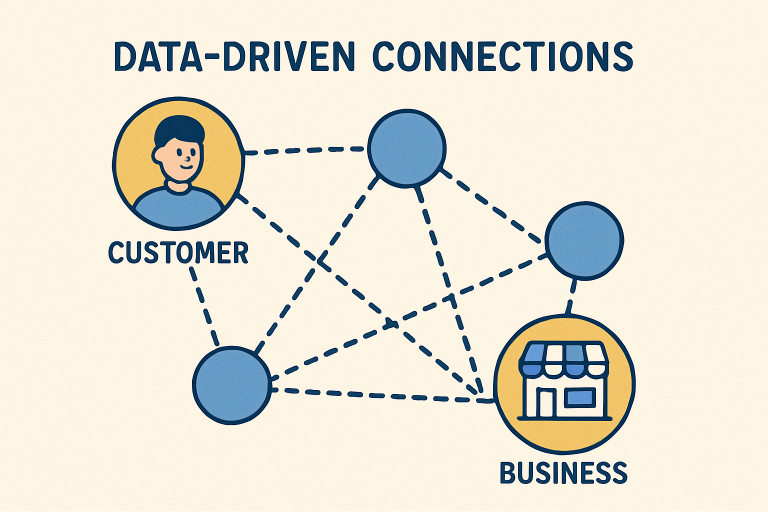
A practical data-driven approach to engagement requires more than just great technology. To create cohesive customer experiences, marketing, sales, and support teams need access to a single, unified data source, breaking down internal silos that often hinder seamless communication. Integration of systems and processes across departments enables every team to understand the customer holistically, coordinate messaging, and respond to customer needs consistently.
According to Agility PR, the future of relationship marketing lies within tightly integrated, data-driven systems that enable organizations to nurture deeper, more meaningful relationships with customers. When everyone in the organization has access to real-time, accurate, and actionable data, brands set themselves apart by delivering memorable and compelling customer experiences.
Challenges in Implementing Data-Driven Strategies
Despite the clear advantages, making data-driven engagement a reality comes with some key hurdles. Data fragmentation across platforms, evolving privacy regulations such as GDPR, and a shortage of advanced analytics talent can slow progress. Businesses must prioritize eliminating data silos, investing in unified platforms, and ensuring secure, compliant handling of sensitive information.
Moreover, as data collection expands beyond traditional channels to include social media, IoT devices, and omnichannel touchpoints, businesses must develop rigorous frameworks for data governance and quality. Those who rise to these challenges are equipped not only to meet modern customer demands but also to innovate ahead of the curve. For additional guidance on addressing data fragmentation and privacy, consult this Harvard Business Review resource.
Future Trends in Data-Driven Customer Engagement
The next phase of data-driven engagement will see even more intelligent automation, predictive analytics, and hyper-personalization powering every customer touchpoint. As AI and analytics become more accessible, even small and midsize businesses will be able to understand intent, personalize recommendations, and optimize campaigns in real time. The drive toward ethical data use and transparency will ensure not only compliance but also deeper trust, increasingly important as consumers become more discerning about which brands they support.
Voice assistants, augmented reality, and other emerging technologies will add new dimensions to the customer experience. At the same time, decentralized data management and zero-party data collection will reshape how brands and consumers interact. By staying proactive and committed to innovation, organizations will continue to raise the bar for engagement and exceed expectations in an ever-changing environment.
Conclusion
Data-driven customer engagement is no longer a luxury; it’s the foundation for thriving in today’s dynamic business world. By mastering data-driven decision-making, deploying advanced tools, and fostering cross-departmental collaboration, companies can deliver experiences that inspire loyalty and long-term advocacy. Businesses that act now and stay ahead of the trends will secure a competitive edge for years to come.