
Key Takeaways
- Centralized IT asset management boosts visibility and governance over valuable hardware and software.
- Automation and AI-driven solutions reduce manual workloads and errors.
- Frequent audits and compliance checks ensure accuracy and regulatory compliance.
- Inclusive employee training empowers asset stewardship at all organizational levels.
- Seamless integration with other business systems enables smoother operational flows.
Efficient management of IT assets is crucial for today’s organizations seeking to maximize resources, reduce operational costs, and maintain peak efficiency. Modern businesses require more than just spreadsheets and manual inventory. Smart, strategic IT asset management (ITAM) helps address challenges in asset tracking, utilization, and cost control. Leveraging tools such as network inventory management software can play a pivotal role in transitioning to streamlined, automated processes, ensuring all assets are visible, well-maintained, and properly utilized.
As the complexity of IT environments increases, so do the risks associated with lost, untracked, or underutilized assets. By implementing central systems, increasing automation, and ensuring compliance, businesses can proactively manage their hardware, software, and digital resources. Strategic ITAM practices involve not only adopting technology but also establishing a culture of ownership and accountability across all business units.
Implement a Centralized ITAM System
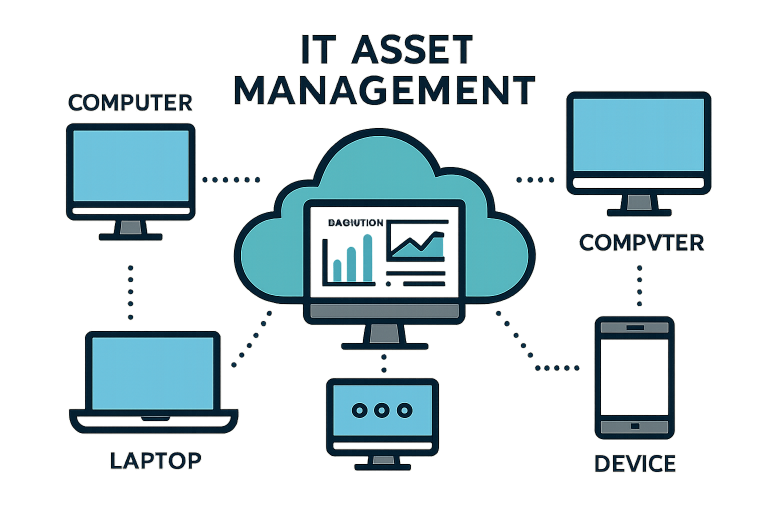
A unified ITAM system is the backbone of a successful asset management program. By bringing all assets into a single centralized database, organizations can achieve full transparency and easier access to critical asset data. Modern ITAM solutions should include functionalities for real-time tracking, in-depth reporting, and simplified auditing. For example, integrated IT asset platforms allow cross-departmental collaboration, empowering finance, procurement, and IT teams to share consistent, up-to-date information. This unified data approach eliminates silos, enhances strategic planning, and yields substantial cost savings by identifying underutilized or redundant resources.
Leverage Automation and AI-Driven Solutions
Automation plays a transformative role in ITAM. Automated asset discovery, tracking, and maintenance have dramatically reduced the margin for manual errors and helped teams reclaim valuable time. AI-driven applications further elevate ITAM by offering predictive analytics and actionable insights. For instance, AI can forecast when devices might require upgrades or maintenance, helping avoid costly downtime. Advanced systems use machine learning to analyze patterns in asset usage, enabling organizations to develop proactive refresh and retirement strategies that stretch every IT dollar further.
Conduct Regular Audits and Compliance Checks
Staying compliant with industry standards and regulatory requirements demands ongoing vigilance. Implementing structured, regular audits is a fundamental aspect of effective ITAM, helping surface discrepancies, unauthorized assets, and potential security threats. Automated compliance solutions can provide instant notifications when deviations or vulnerabilities are detected, ensuring swift corrective action. Regular reviews not only help mitigate risk but also demonstrate compliance when industry bodies or external auditors come calling. According to a CIO analysis, companies that prioritize audits report higher data accuracy and more responsive governance.
Provide Comprehensive Employee Training
Since employees are on the front lines of asset use and tracking, their understanding and participation are essential to ITAM’s success. Training programs should include instruction on the company’s asset management protocols, policies for handling IT equipment, and security best practices. Regular refresher courses and awareness campaigns will nurture a culture in which employees take real ownership of asset use and care. This ongoing education reduces incidents of lost or mishandled assets and ensures everyone stays up to date on evolving compliance requirements.
Integrate ITAM with Other Business Systems
Integrating ITAM platforms with business-critical systems, such as finance, procurement, and help desk solutions, can bring IT asset management into the broader operational fold. This crossover allows for automatic asset requisition, lifecycle tracking, and disposal procedures synchronized with purchasing processes. Deep integration ensures assets are managed from acquisition to retirement and supports better decision-making across all business functions. The Harvard Business Review notes that businesses investing in end-to-end integrated systems not only achieve cost reductions but also improve organizational agility.
Utilize Cloud-Based Asset Management Solutions
The rise of remote work and distributed teams has propelled the adoption of cloud-based ITAM tools. These platforms offer real-time access to asset inventories regardless of location and support collaboration between field teams and headquarters. Cloud solutions are frequently updated with new features and security patches, offering peace of mind as technology and compliance requirements evolve. Additionally, modern cloud-based ITAM tools often include scalable APIs, ensuring that as an organization grows, its asset management capabilities expand seamlessly.
Embrace Emerging Technologies
Innovative technologies such as IoT and blockchain are reshaping the IT asset management landscape. IoT-enabled devices provide live feeds on asset status and performance, enhancing preventive maintenance programs and minimizing unplanned outages. Blockchain offers tamper-proof recordkeeping, which is particularly valuable for tracking asset provenance or for securing complex transactions. Keeping pace with these trends positions businesses at the forefront of ITAM modernization, ensuring their infrastructure remains both efficient and secure.
Conclusion
Modern IT asset management requires more than spreadsheets and manual records; it demands an integrated, technology-driven strategy. By deploying centralized platforms, leveraging AI, conducting ongoing audits, training employees, integrating across business functions, using cloud technologies, and adopting evolving innovations, businesses create a resilient and efficient ITAM environment. Proactive ITAM not only drives down costs and reduces risk, but also ensures that organizations are primed for ongoing digital transformation and future growth.